
Simple Tips for Creating a Relaxing and Productive Home Workspace
Creating a home workspace that is both relaxing and productive can significantly improve your work-from-home experience. Whether you’re freelancing, working remotely, or managing household tasks, a thoughtfully designed area can help you concentrate while reducing stress. Here are some simple but effective tips to help you build a workspace that supports both focus and tranquility.
Choose the Right Location
Your workspace location sets the foundation for your daily routine.
– Find a quiet spot: Select a part of your home with minimal distractions, away from noisy areas like the living room or kitchen.
– Consider natural light: Choose a spot near a window if possible. Natural light can boost your mood and energy levels throughout the day.
– Think about traffic flow: Avoid places with a lot of foot traffic to prevent interruptions.
Keep It Organized and Clutter-Free
Organization is key to maintaining a calm and efficient workspace.
– Use storage solutions: Invest in shelves, drawers, or baskets to keep supplies neat and accessible.
– Clear your desk daily: At the end of each workday, tidy your space to create a fresh start for tomorrow.
– Limit knick-knacks: Keep personal items and decorations to a minimum to avoid distractions.
Invest in Comfortable Furniture
Comfort helps you stay focused and prevents strain or discomfort.
– Choose an ergonomic chair: A good chair supports your back and encourages proper posture.
– Pick the right desk height: Your desk should allow your arms to rest comfortably at a 90-degree angle.
– Add footrests or cushions: These can make your seating arrangement more comfortable over long periods.
Optimize Lighting
Proper lighting reduces eye strain and keeps you alert.
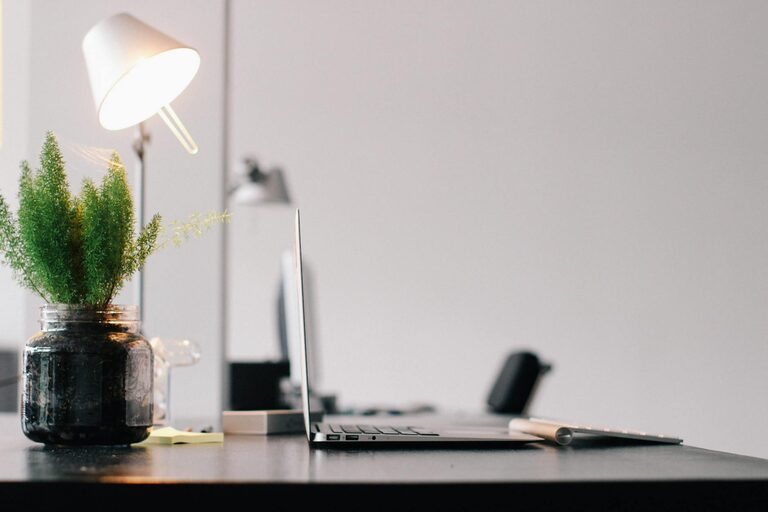
– Combine natural and artificial light: Use natural daylight as much as possible, supplemented by desk lamps with adjustable brightness.
– Avoid glare: Position your screen to reduce reflections or use anti-glare covers.
– Use warm or neutral light: Cooler light can be harsh and tiring, while warm lighting tends to be more soothing.
Incorporate Soothing Elements
Small touches can make your workspace feel more inviting and less stressful.
– Add plants: Indoor plants improve air quality and add a calming natural element.
– Use calming colors: Soft blues, greens, or neutrals create a relaxing environment.
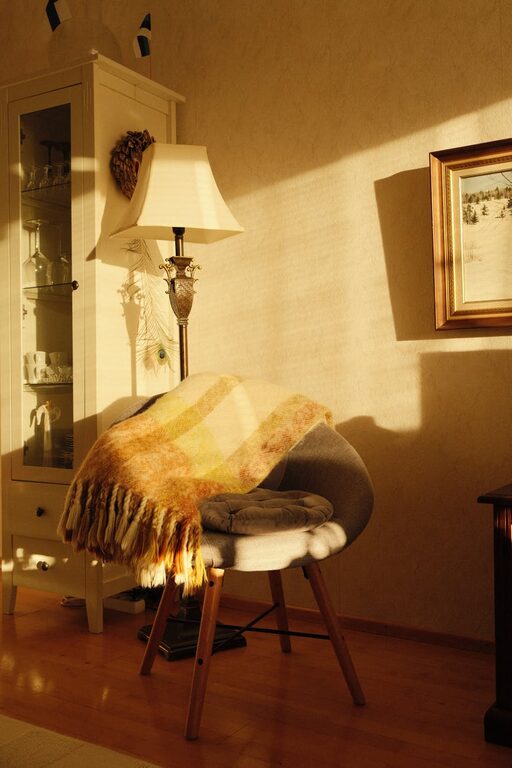
– Include personal comfort items: A cozy blanket or a favorite mug can make your workspace more welcoming.
Set Clear Boundaries
Separating work from personal life boosts productivity and mental well-being.
– Define your work hours: Stick to a schedule that signals when it’s time to work and when it’s time to relax.
– Create a “start” and “end” ritual: This might be making a cup of coffee before work or shutting down your computer when done.
– Use physical cues: Closing a door or using room dividers can mentally separate work from home life.
Minimize Digital Distractions
Technology can help or hinder your focus.
– Turn off unnecessary notifications: Silence alerts from social media or apps that aren’t work-related.
– Use productivity tools: Apps that block distracting websites or help you track tasks can keep you on track.
– Keep your desktop organized: A cluttered digital workspace can be as distracting as a physical one.
Take Breaks and Move
A relaxed workspace also encourages healthy habits.
– Schedule short breaks: Use techniques like the Pomodoro method to work in focused bursts with rest intervals.
– Stretch regularly: Stand up and stretch or walk around every hour to reduce stiffness.
– Create a separate area for breaks: If possible, step away from your desk during rest periods to mentally recharge.
Personalize Without Overdoing
Adding personality can make your workspace enjoyable.
– Display inspiring quotes or artwork: These can motivate you without overwhelming your space.
– Use colors and materials you like: Choose desk accessories or wall colors that suit your taste.
– Keep it simple: Don’t overcrowd your space with items that don’t contribute to your focus or comfort.
Maintain Good Air Quality
Fresh air helps keep your mind alert.
– Open windows occasionally: Letting in fresh air prevents the space from feeling stuffy.
– Use an air purifier: This can help especially in rooms with poor ventilation.
– Avoid strong scents: Use subtle, natural fragrances if you like, but avoid overpowering smells that could be distracting.
—
Designing a home workspace that supports both productivity and relaxation doesn’t have to be complicated. Focus on choosing a good spot, keeping things organized, prioritizing comfort, and adding calming touches. By following these simple tips, you’ll create an environment that helps you work more efficiently while keeping stress at bay. Over time, your workspace can become a place you look forward to spending time in every day.